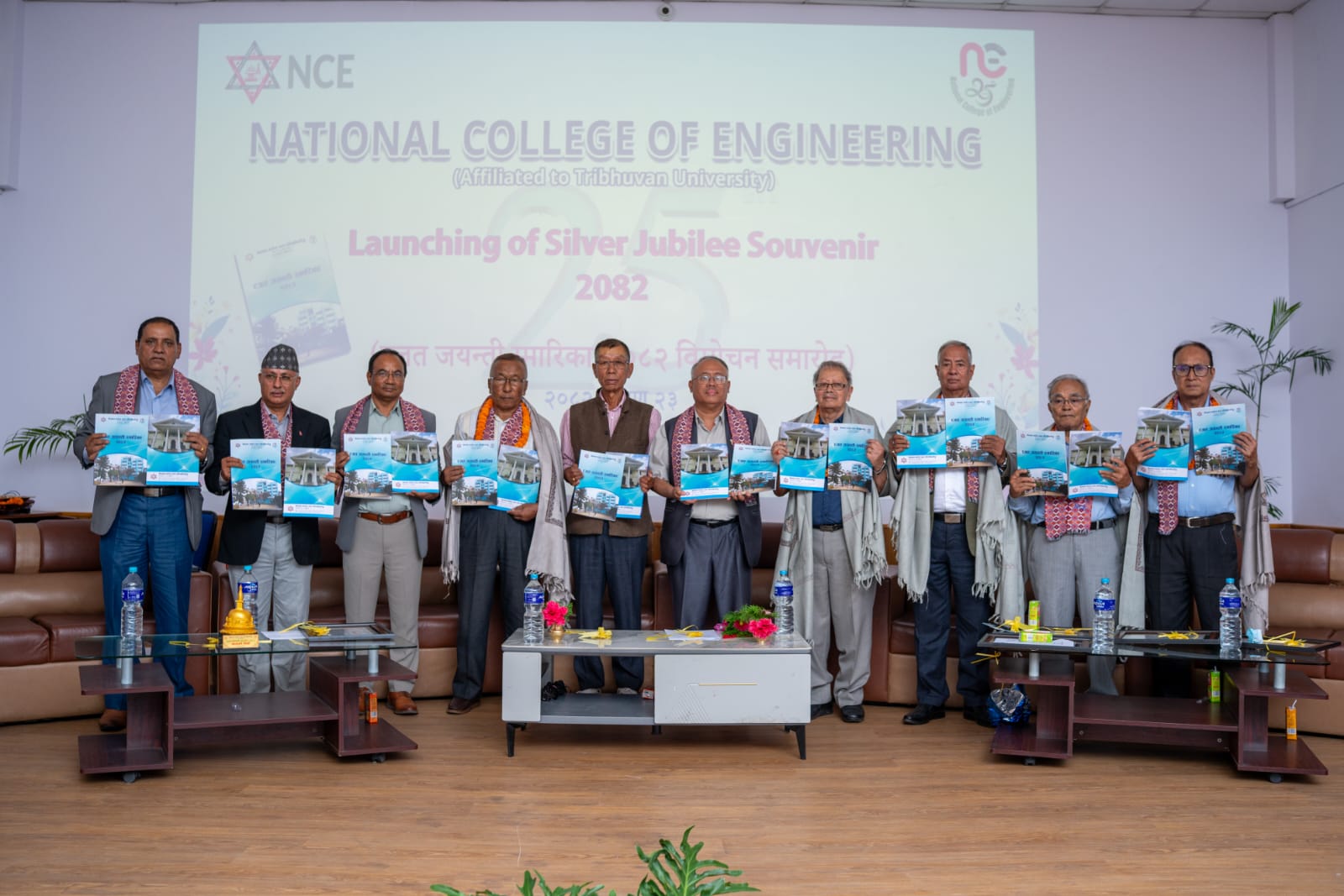
Kathmandu- Nepal's engineering education landscape is witnessing a gradual shift in student preference among colleges affiliated with the Institute of Engineering (IOE), Tribhuvan University. Among the institutions attracting increasing attention is the National College of Engineering (NCE), whose recent admission trends suggest that it is increasingly becoming a preferred destination for many of Nepal's top-ranked engineering aspirants.
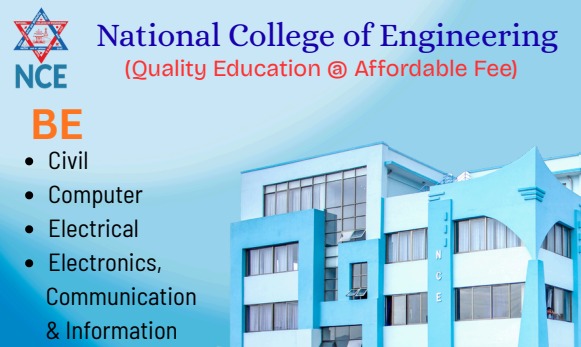
The latest admission cycle (2082intake) under the revised IOE curriculum provides one of the clearest indications of this change. NCE's Bachelor of Computer Engineering program completed admissions ahead of every other IOE-affiliated college, highlighting its growing popularity among high-ranking IOE entrance candidates. Even more notably, NCE was the only IOE-affiliated institution to fill all available seats in its Bachelor of Electronics, Communication and Information Engineering program. Education observers note that such admission patterns often provide valuable insights into changing student preferences and institutional reputation.
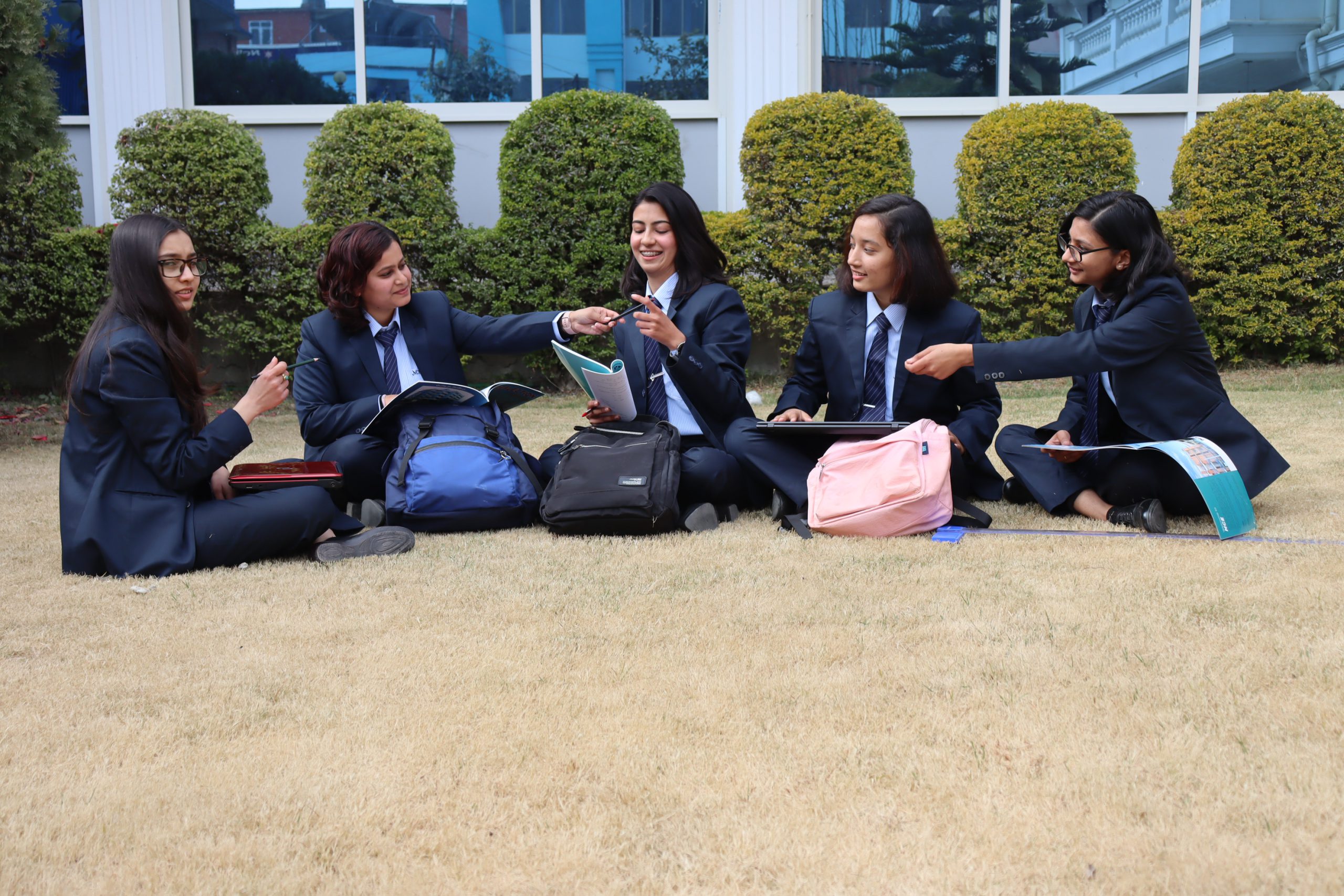
Several factors appear to be contributing to this growing demand. One distinctive feature of NCE is its rank-based sliding fee structure, under which tuition fees are determined by students' performance in the IOE entrance examination. High-ranking candidates receive substantial fee concessions, making quality engineering education more accessible while rewarding academic excellence. Combined with merit- and need-based scholarship opportunities, the policy has helped attract academically motivated students and foster a strong peer-learning environment.
This increasing demand has translated into impressive academic outcomes. Students admitted over the past three years under the new IOE curriculum have consistently achieved some of the highest pass percentages among IOE-affiliated engineering colleges. The institution attributes this success to disciplined academic practices, dedicated faculty mentorship, continuous academic engagement throughout the semester, and strong academic support systems.
NCE has simultaneously undertaken significant infrastructure development in recent years. The campus has expanded both in physical area and built infrastructure, creating additional space for teaching, research, and student activities. Its central library has been relocated to a larger and modern facility, while the Department of Electronics and Computer Engineering has shifted its laboratories to newly constructed buildings equipped with upgraded instruments and improved workspaces.
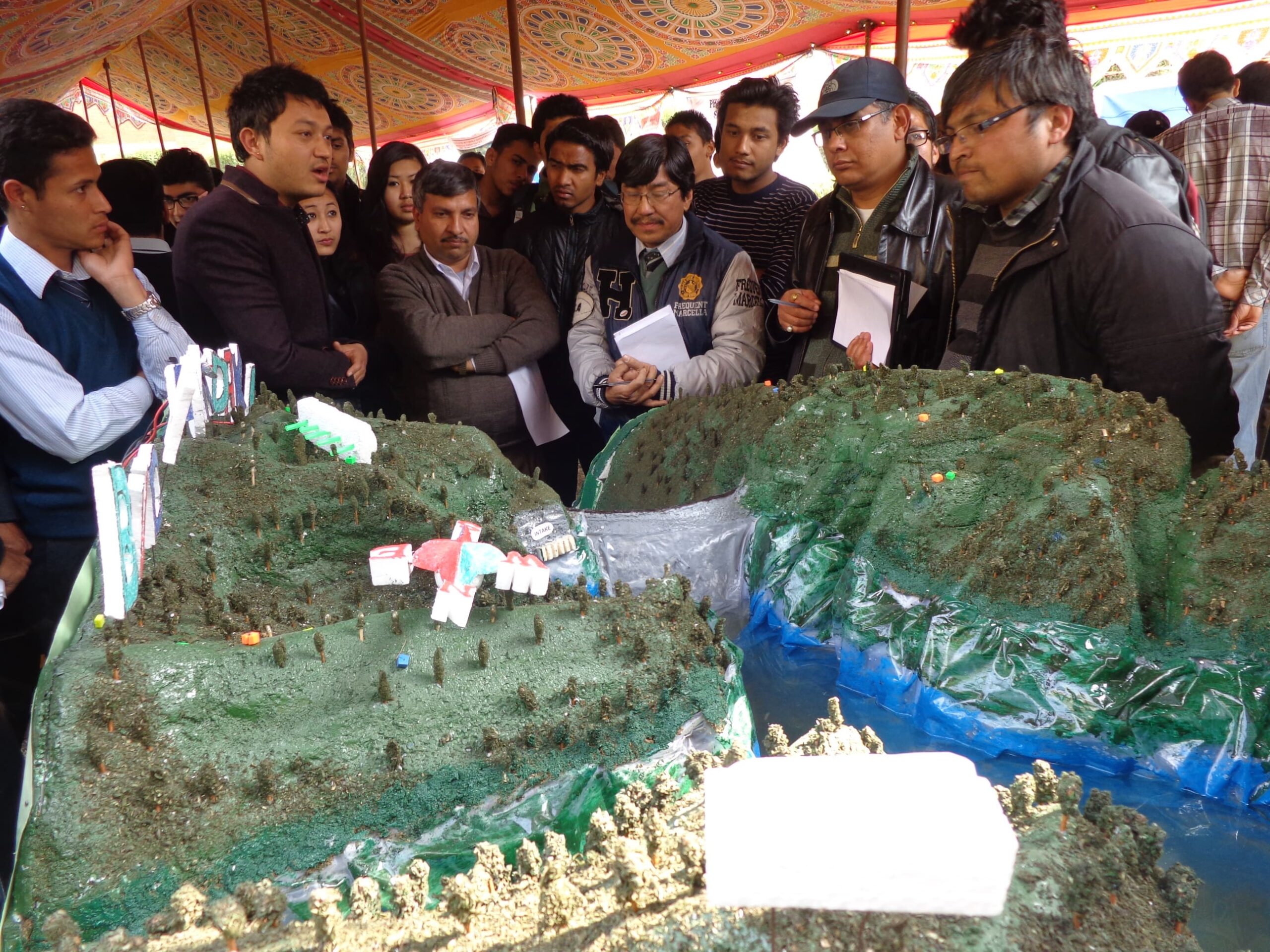
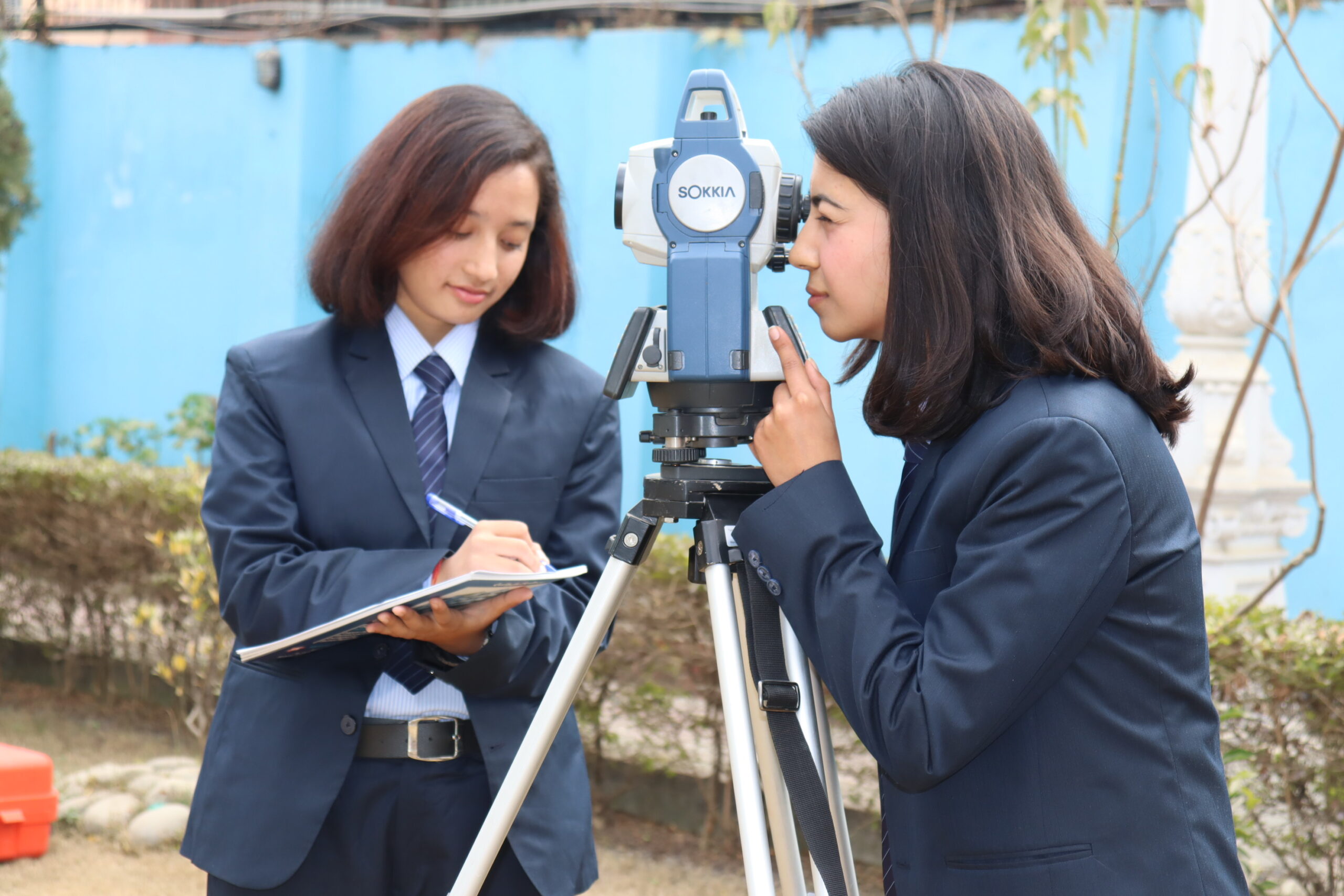
The college continues to invest in modern engineering laboratories across all disciplines, emphasizing project-based, field-based, and experiential learning. Students are provided opportunities to apply theoretical concepts through practical training, laboratory work, field visits, and collaborative projects, helping bridge the gap between academic knowledge and professional practice.
Alongside academic development, NCE has begun strengthening its research culture through institutional research grants that encourage collaborative projects between faculty members and undergraduate students. Dedicated mechanisms for academic counseling, student grievance handling, internship facilitation, and career guidance further reflect the institution's growing focus on holistic student development.
Student life has also received renewed attention through investments in sports and recreational facilities, including a newly constructed futsal court, an upgraded basketball court, and a dedicated cricket practice net, contributing to a vibrant campus environment.
Over the past few years, these collective developments have positioned National College of Engineering as one of the fastest-rising institutions within Nepal's engineering education sector. Its growing ability to attract top-ranked students, student-friendly fee policies, consistently strong academic performance, and increasing emphasis on practical learning and research have strengthened its appeal among engineering aspirants.
As competition among engineering colleges continues to evolve, recent admission trends suggest that National College of Engineering is no longer simply participating among Nepal's leading IOE-affiliated institutions, it is steadily emerging as a preferred choice for many of the country's brightest future engineers.